Investing in the Team Behind the Mission
Strengthening Systems, Leadership, and Collaboration in Tanzania
Behind every successful program is a team working tirelessly to make it possible.
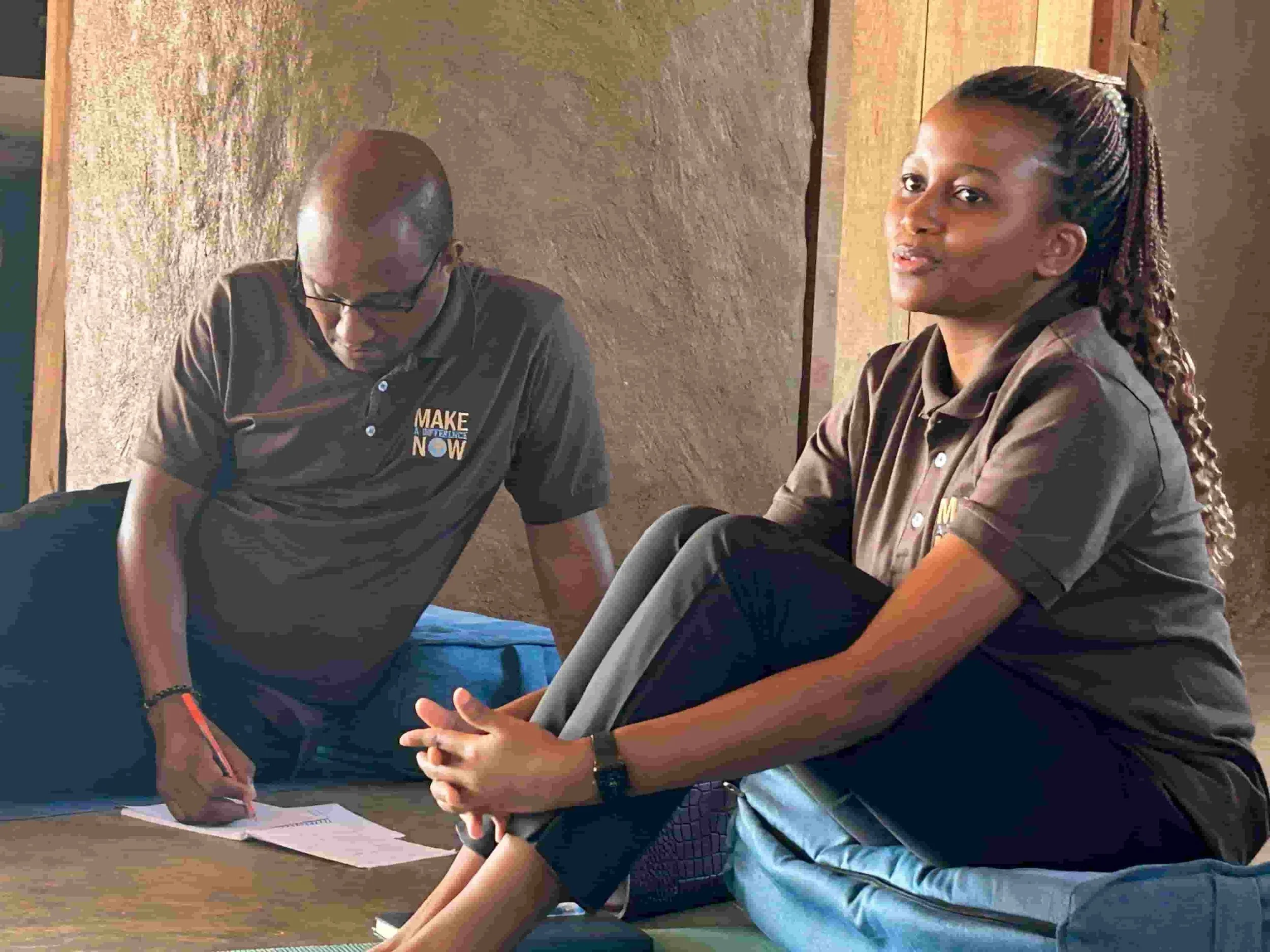
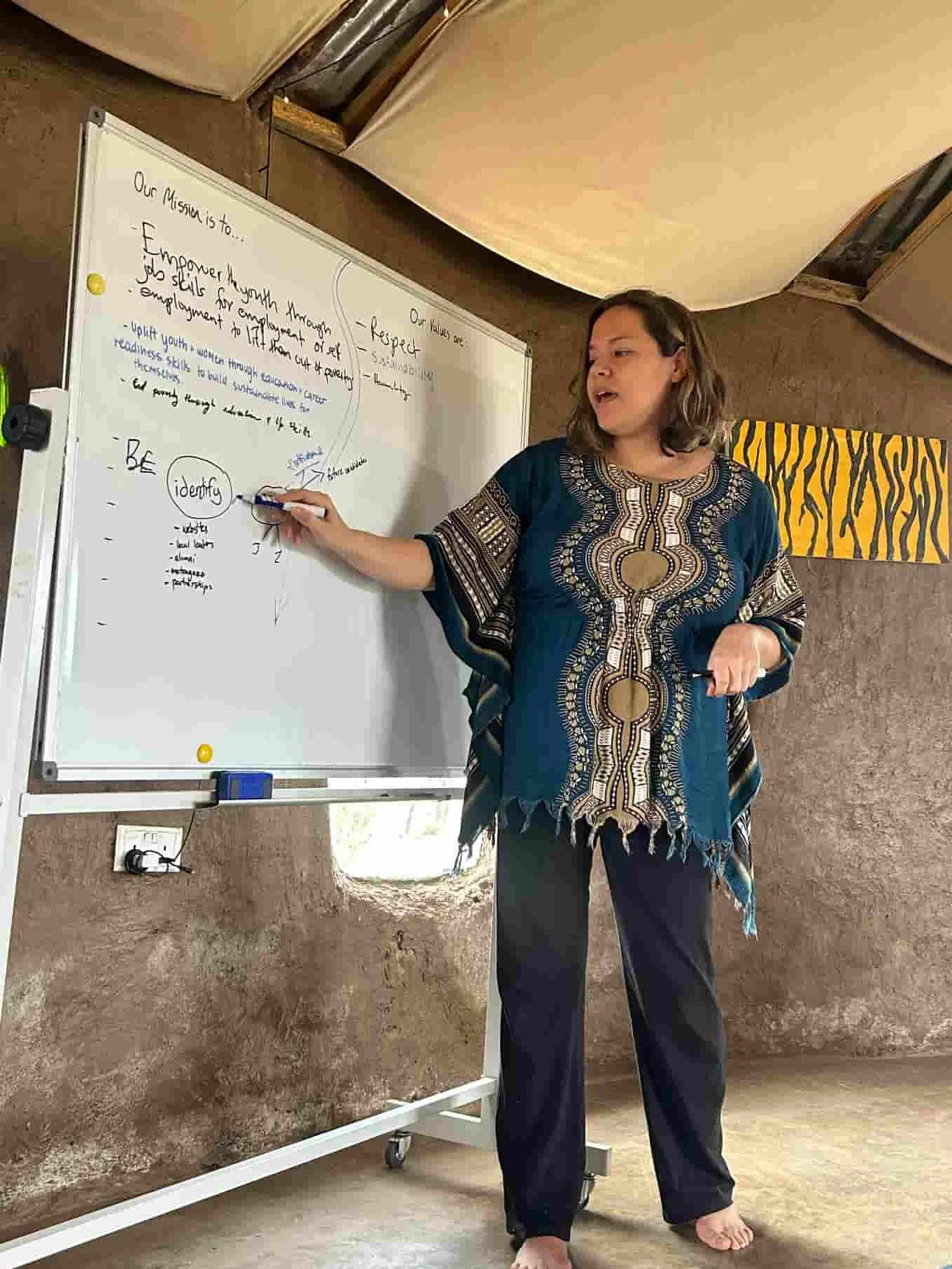
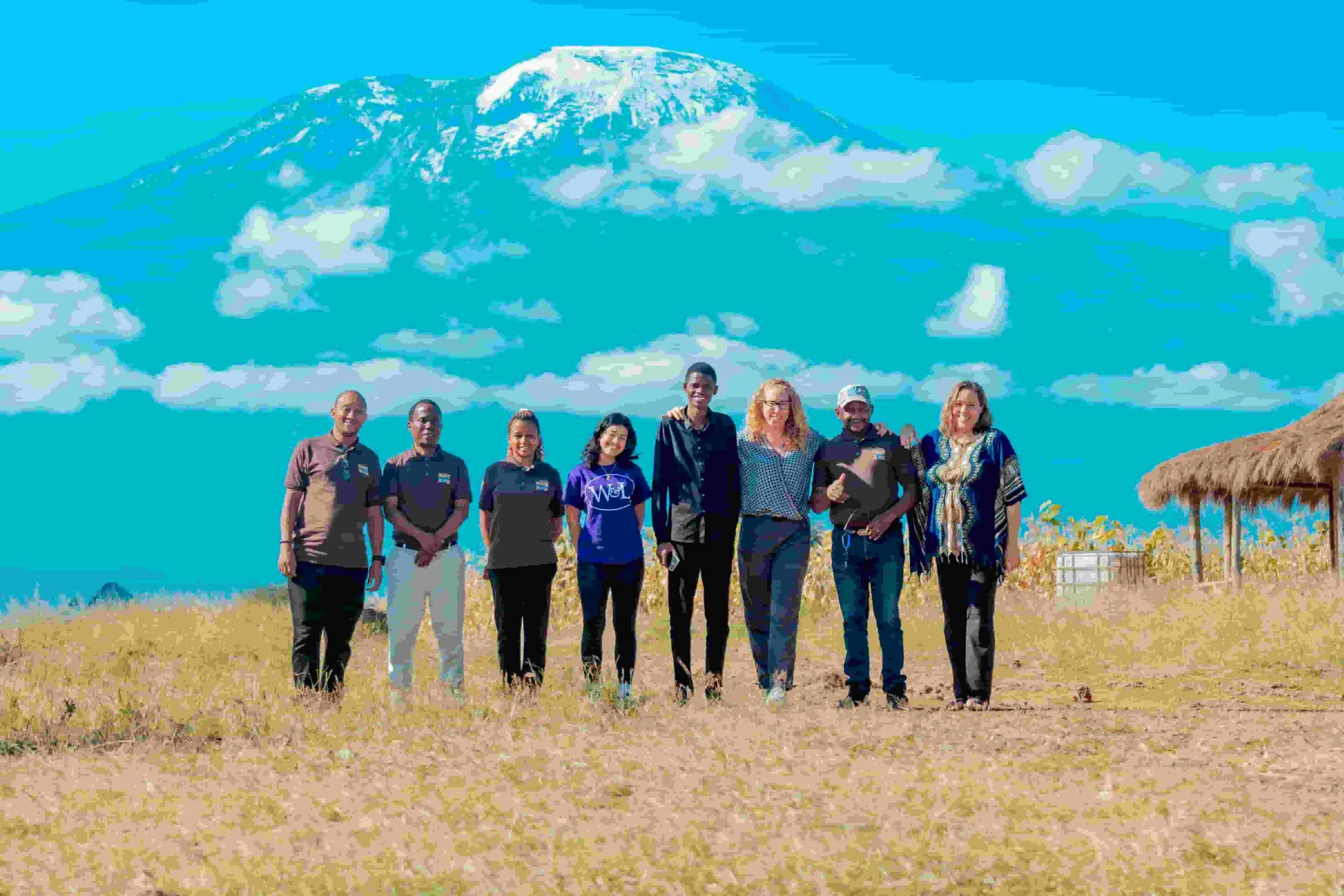
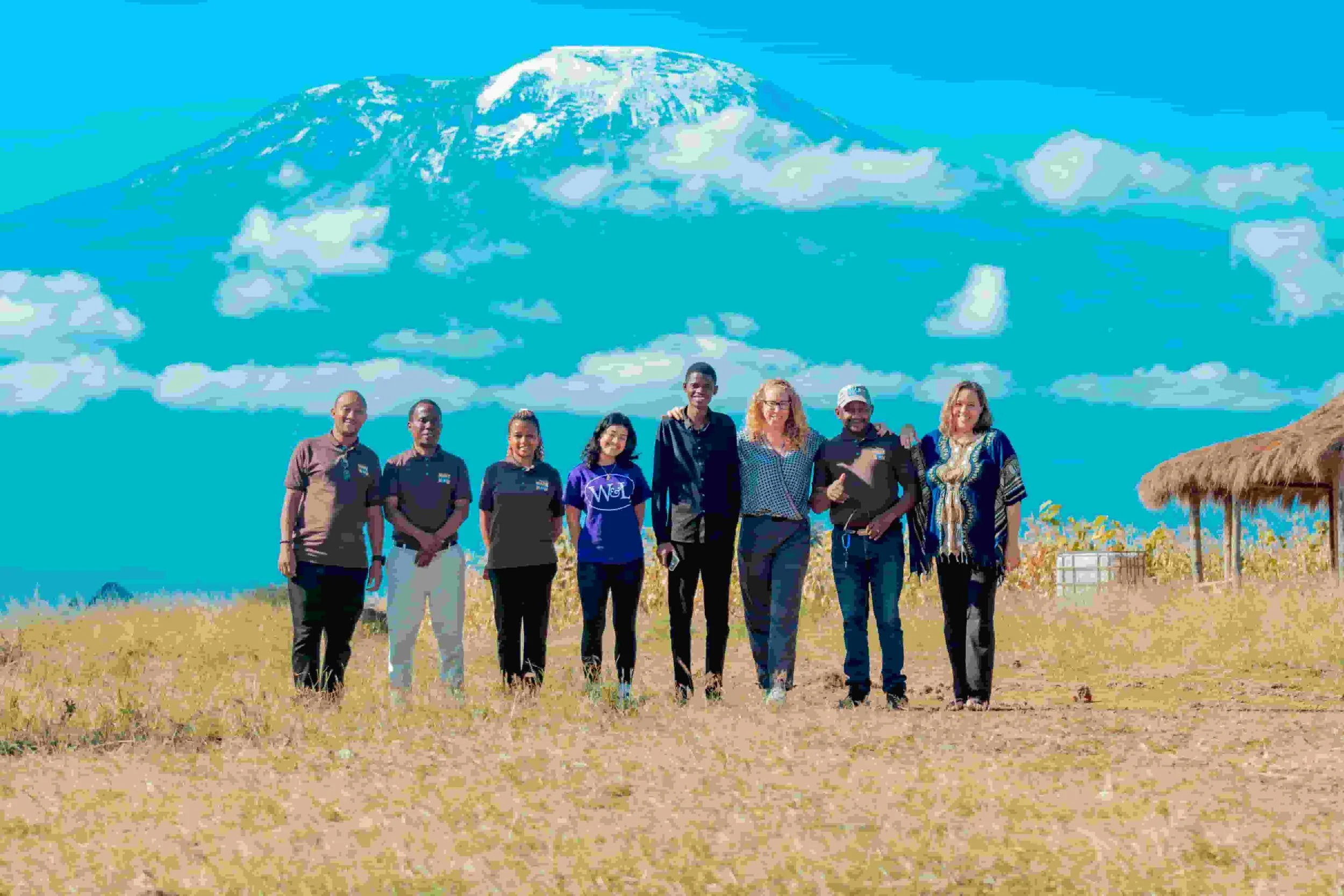
During Theresa’s recent visit to Tanzania, our Moshi team gathered for a staff retreat at Amani Light Wellness Center focused on strengthening collaboration, improving internal systems, and creating space for reflection and strategic alignment.
What emerged was a deeper understanding of how we work—and how we can work better together.
A Shift in How We Work Together
A central theme of the retreat was the shift from Kazi ya Makundi (Herd Work) to Kazi ya Mtiririko (Flow Work).
Herd Work reflects a pattern where everyone converges on tasks at the same time. While well-intentioned, it often leads to duplication, confusion, and inefficiency.
Flow Work is different. It reflects a system where responsibilities are clearly defined and passed intentionally from one person to another—like water moving through a structured channel. Work becomes more coordinated, predictable, and scalable.
This shift is helping us move from effort-based coordination to systems-based execution.
Learning Through Experience
One of the most powerful moments of the retreat was a hands-on exercise called the Water Handoff activity, designed to demonstrate the difference between Herd Work and Flow Work.
Teams physically moved water through obstacles using two different approaches:
In Herd Work, everyone carried shared responsibility in one collective flow
In Flow Work, individuals passed responsibility through structured handoffs
The water represented our mission and student outcomes.
Spilled water represented lost opportunities, missed coordination, and inefficiencies.
The exercise made one thing clear:
Impact is not just about effort—it is about structure.
Clarifying Roles and Strengthening Systems
A major part of the retreat focused on helping each team member reflect on their role within the organization.
Through guided reflection and group discussion, staff explored:
What their role looks like in practice vs perception
Where responsibilities overlap or become unclear
How work can be better shared, documented, and systematized
This process surfaced an important insight:
Many challenges are not capacity problems—they are clarity and systems problems.
By making roles and responsibilities more visible, we are building stronger alignment across programs and teams.
Building a More Connected Team Culture
The retreat also created space for honest conversation about collaboration, communication, and problem-solving.
Across discussions, one message was consistent:
When systems are unclear, even strong teams can unintentionally work in silos.
By naming this openly, the team began identifying ways to improve coordination, strengthen handoffs, and reduce duplication of effort.
A Simple but Powerful Reflection
At the end of the retreat, the team was asked whether they would like to have a space like this again for reflection and alignment.
One response came quickly and clearly:
“Everyday please!”
Why This Matters
Our mission is to provide quality education to disadvantaged youth and women so they have the tools and skills to become self-sufficient, contributing citizens of the world.
To achieve this at scale, we must invest not only in programs but in the systems and people behind them.
The retreat reinforced three core truths:
Strong programs require strong internal systems
Clarity in roles improves impact for students
Sustainable growth depends on structured collaboration
Moving Forward
This retreat was not a one-time event, it was a step toward a more aligned, intentional way of working.
We are continuing to strengthen:
Role clarity across teams
Program handoffs and workflows
Internal communication systems
Documentation and accountability structures
By investing in the team behind the mission, we are building the foundation that makes long-term impact possible.